

Energy & Extractives
Featured Cases:


The Challenge
Energy is undergoing a global transformation, spurred by declining costs of renewable technologies, energy efficiency, and widespread use of hydraulic fracturing to drill for natural gas and oil. Energy and mining industries generate employment and wealth while also imposing impacts on the environment. The choices we make for extractives have local consequences for communities and landscapes, national consequences for economic growth and security, and global implications for climate. Conflicts arise around who benefits, environmental and social impact, who gets to decide around projects and policy, and responsibility to future generations. Key stakeholders with diverse interests struggle to engage with one another constructively.
Our Approach
Our mediators have extensive experience helping parties build consensus-based agreements on complex energy and mining projects and public policies. Through its Mutual Gains Approach, CBI helps stakeholders:
- Understand one other better and address historical grievances and mistrust
- Explore possible solutions and construct new ideas together
- Develop new processes and procedures for governance
- Employ participatory approaches that give citizens and stakeholders a voice in policy decisions
- Work with governments and others to develop public policy
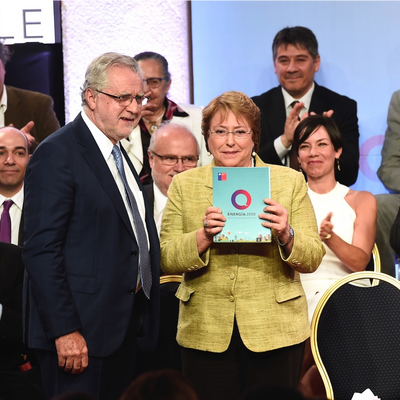
CBI has helped advance progress on contentious energy and extractive projects that range from training Canadian First Nations and extractive companies in Mutual Gains Negotiation, to helping the government of Chile create a long-term energy policy, to planning for U.S. off-shore wind energy development.
Areas of Expertise
- Energy policy development
- Joint fact-finding on energy and extractive development impacts
- Energy markets and decision-making processes
- New technologies and smart-grid management
- Company-community engagement
- Grievance mechanisms and dispute resolution